


- variational autoencoders (VAEs) (2010)
- consists of learning a probabilistic mapping between data and a latent space, and vice versa
- generative model that learns to compress and reconstruct data while also learning a probability distribution of the latent space
- This is like an artist learning not just to copy specific paintings but also to understand the style so well that they can paint new, original works in that style.
- Conditional variational autoencoder (CVAE): used for game development and procedural content generation with the generation of game elements such as character design, level layouts, music and sound effects, and so on. By providing different conditions such as “Create a forest level” or “Create a desert level,” the CVAE can produce a wide variety of game environments, saving time for designers and enhancing the player’s experience with more diverse and interesting game worlds
- generative adversarial networks (GANs):
- formed by two neural networks: a generator and a discriminator
- the generator tries to fool the discriminator, while the discriminator tries rightly to classify real versus fake data
- Deep convolutional GAN (DCGAN):
- This is a refinement of the base GAN model with deep convolutional neural networks; at the moment, it is one of the best architectures for generating images of high quality.
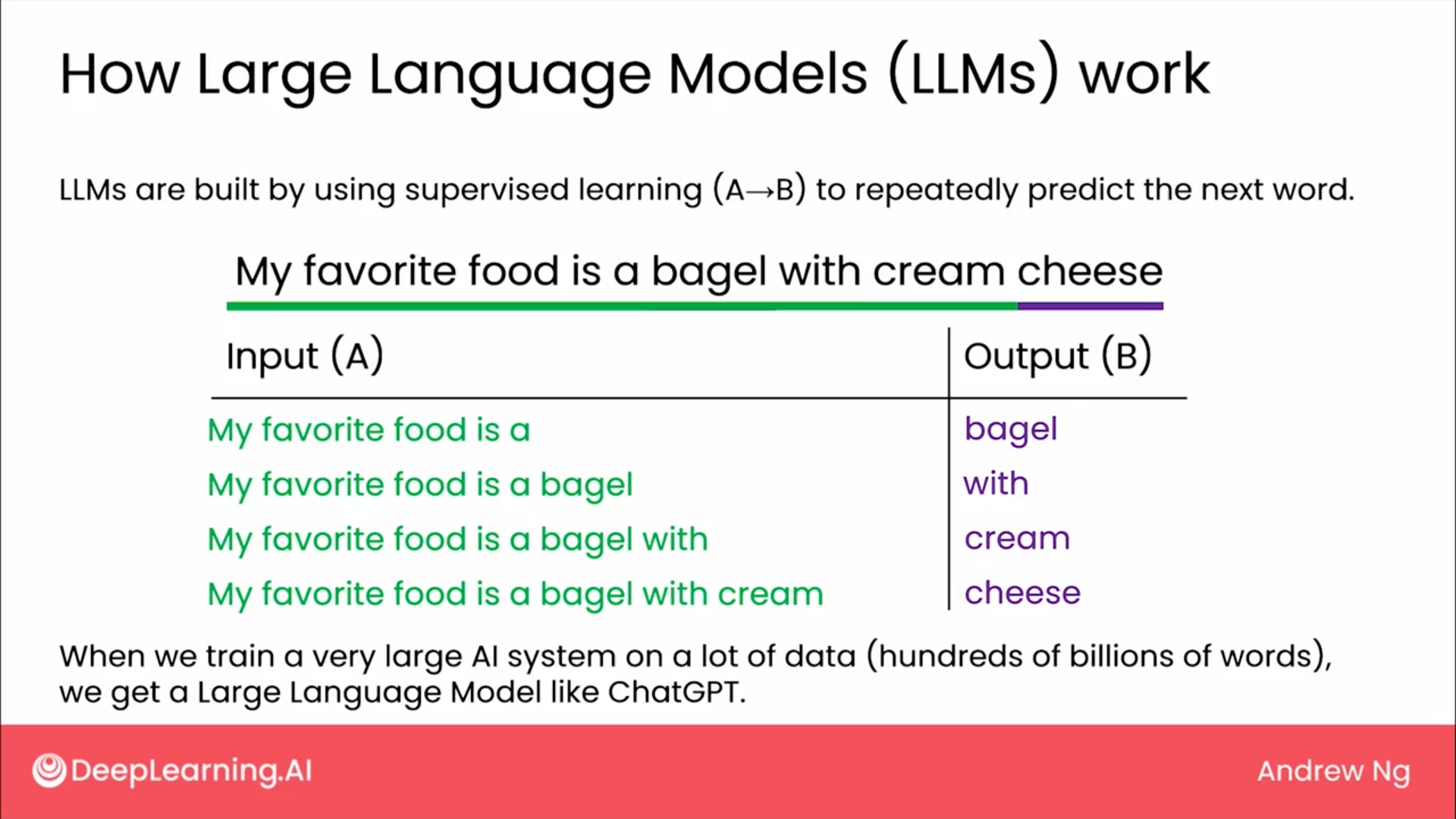
- autoregressive, and Transformer models
- Gaussian mixture models and hidden Markov models—many simpler statistical techniques

